
AI search isn’t coming. It’s already here, and it’s changed who gets found online.
ChatGPT now handles over a billion queries a week. Perplexity is growing fast. Google’s AI Overviews dominate the top of search results. The brands showing up in those answers aren’t getting lucky. They’re optimizing for it.
Traditional SEO is still very important, but it’s no longer the main strategy you should rely on. In this guide, we are breaking down five AI search optimization tips to help your brand show up where people are actually searching now.
Let’s start!
What is AI Search Optimization?
AI search optimization is the process of making your content discoverable, extractable, and trusted across AI tools like Google’s AI Overviews, ChatGPT, Gemini, and Perplexity.
When a user looks up a query, and your site appears in LLMs, your content can be directly referenced, included in summaries, and accessed by users without them needing to click through standard search results.
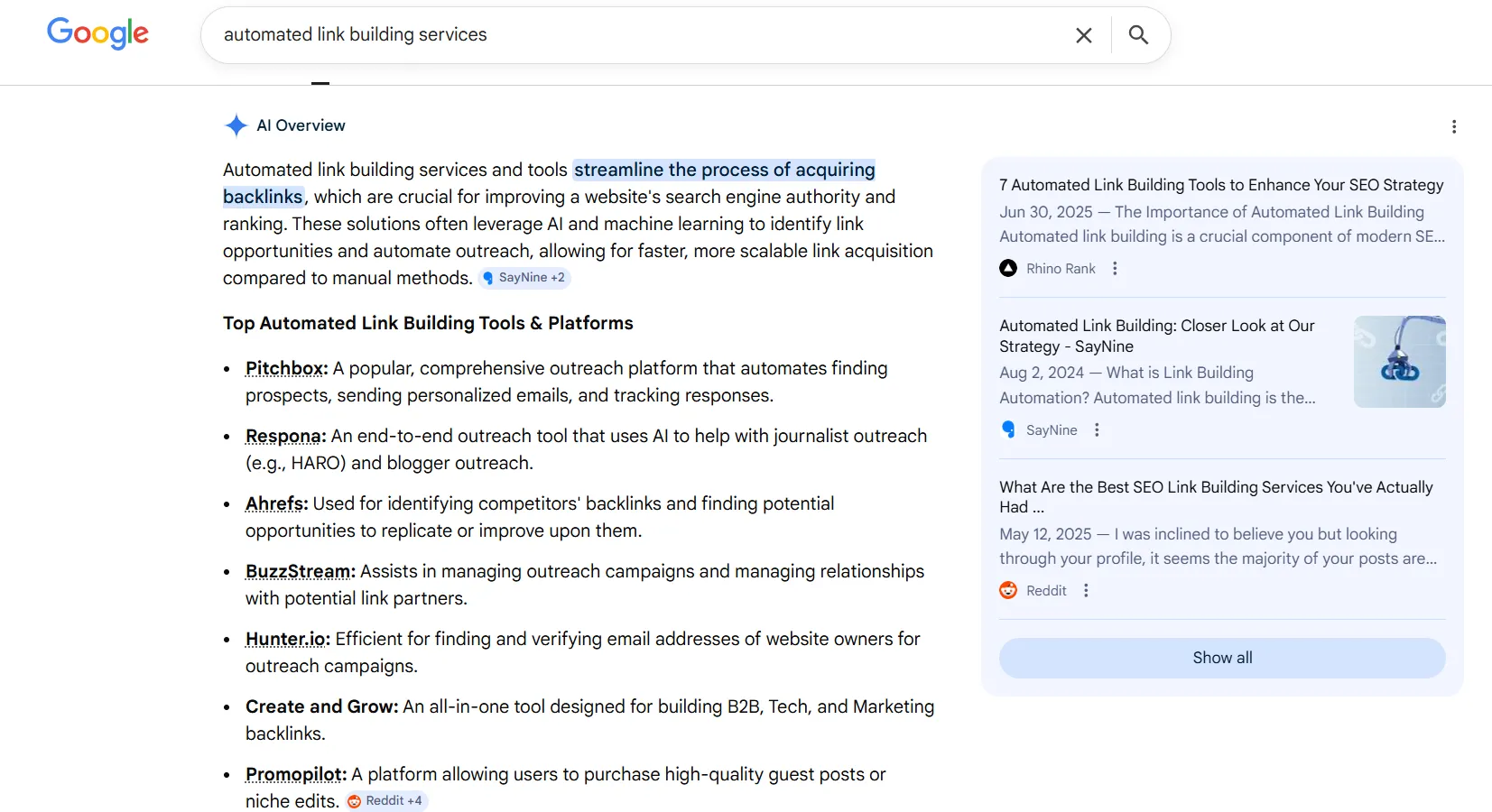
Why is AI Search Optimization Important?
The way people search has completely changed.
Users open ChatGPT or other platforms, type a question, and get a straight answer. That’s the new search. And if your brand isn’t part of that answer, it’s simply invisible to potential leads and clients.
Here’s why AI search optimization should be a priority for businesses:
- You reach people at the exact moment they’re looking. AI search isn’t passive browsing. When someone asks, “what’s the best link building agency?” they’re ready to act.
- You build trust without even trying. AI platforms only cite sources they consider credible. Every time your brand gets mentioned in an AI response, it carries weight.
- You get ahead of competitors. Most brands are still focused on traditional SEO. AI SEO is still early, which means the window to stand out is wide open right now.
- You learn exactly what content works. AI search optimization allows you to understand which content formats get picked up: listicles, how-to guides, comparisons. That feedback loop makes your whole content strategy better and stronger.
So, the sooner you start showing up in AI citations, the sooner your efforts will pay off. Don’t just take our word for it, see how we helped one of our clients do exactly that.

AI Search Optimization vs Traditional SEO
We broke down the key differences between traditional SEO and AI SEO so you know exactly where to focus your efforts.
| AI Search Optimization | Traditional SEO | |
|---|---|---|
| Goal | Get cited in AI-generated answers (ChatGPT, Gemini, Perplexity). | Rank on the first page of Google. |
| How you show up | As a cited source inside a conversational response. | As a clickable link in search results. |
| User behavior | User asks a question and gets a direct answer. | User searches and chooses which link to click. |
| Key ranking factors | Topical authority, credibility, structured data, third-party validation, and reviews | Backlinks, content, page speed, and more. |
| Best content formats | Listicles, comparison articles, how-to guides, FAQs. | Long-form blog posts, landing pages, pillar content. |
| Visibility type | Brand mention inside AI answers, giving a high trust signal. | Link in search results. User still needs to click. |
As you can see, they both have a place in a strong digital marketing strategy. The smartest brands combine both.
5 AI Search Optimization Best Practices
Write Compelling Content
If you want to stand out in AI search, creating useful, helpful content is still key.
But how do you know if your content is worth being cited or recommended by LLMs?
Here are some questions to ask yourself.
- Does your content add value to your audience?
- Does your content go beyond surface-level information and offer real, expert insights?
- Is your content written for people first, not just for search engines?
- Would someone share this content because it genuinely helped them?
If you answered yes to most of these, you’re on the right track. AI models are trained to show content that people find trustworthy and useful. That means generic content won’t have success anymore.
And, if you’re not checking any of these marks, that’s your sign to rethink your content strategy. Here’s what we recommend:
- Know your audience’s real questions. Use keyword research tools, Google, customer feedback, and community forums to find what your target audience is asking.
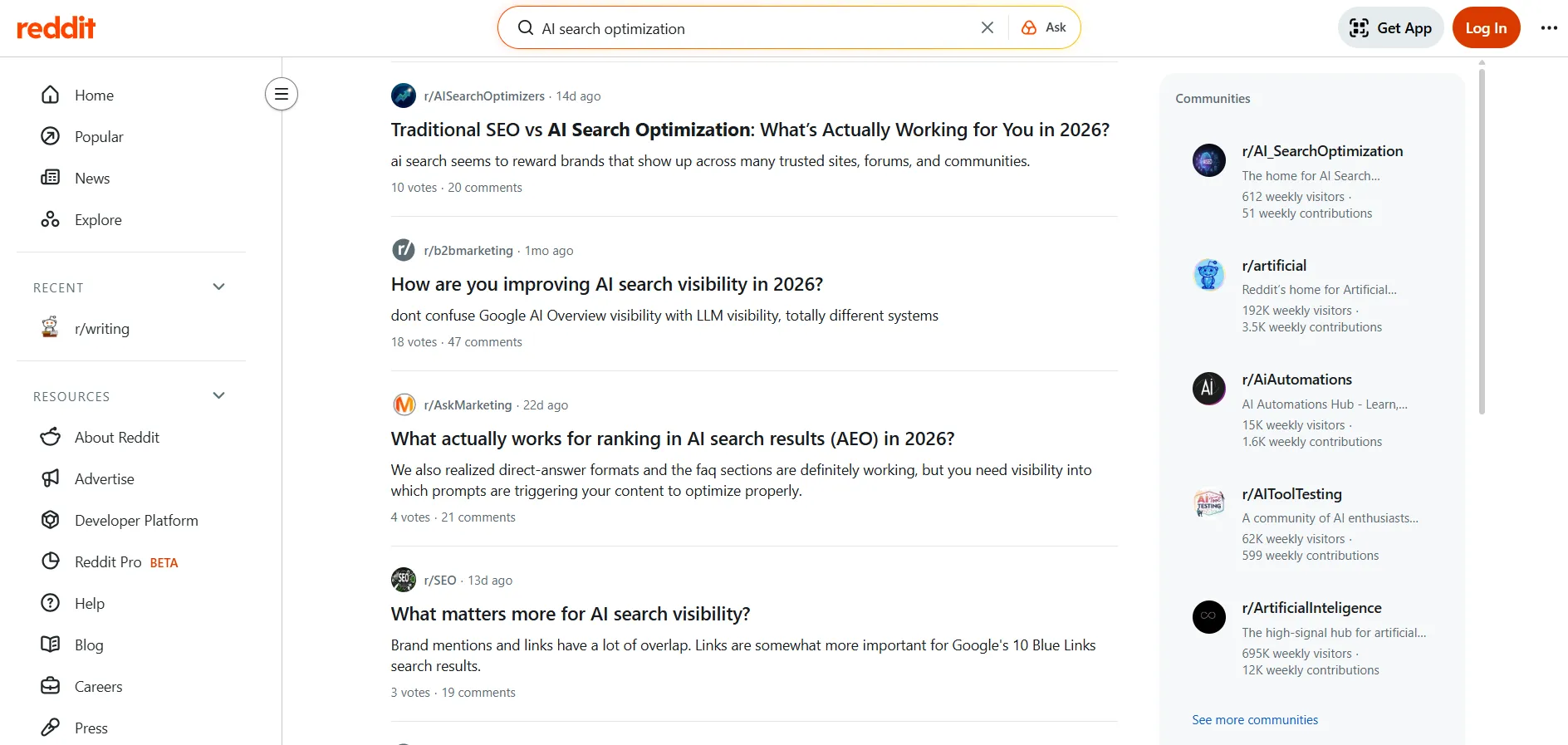
- Adopt “Answer-first” formatting. AI models prefer content that gets to the point fast. Put your main answer or takeaway at the top, then back it up with supporting details.
- Use clear, simple language. Jargon and complex phrasing make readers bounce. Write like you’re explaining it to a friend, not showing off your vocabulary.
- Make it easy to scan. Use short paragraphs, headers, and bullet points so readers and AI models can quickly extract the key information.
The bar for content quality is only going up. However, if you focus on being genuinely helpful, AI search will notice.
Increase Brand Mentions
Brand mentions are any time your brand, product, or service is talked about online. Sometimes these mentions include a link to your website, sometimes they don’t, but both still matter.
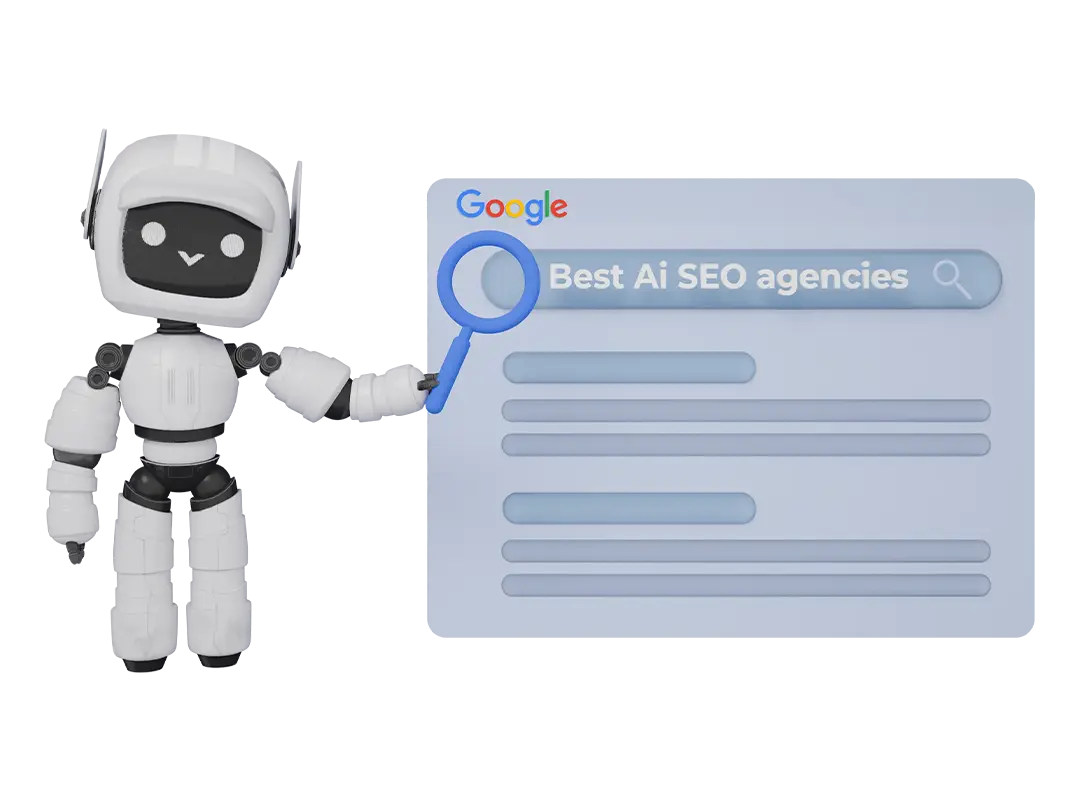
I checked with Perplexity for the best link building agencies, and guess what? SayNine is right there on the list!
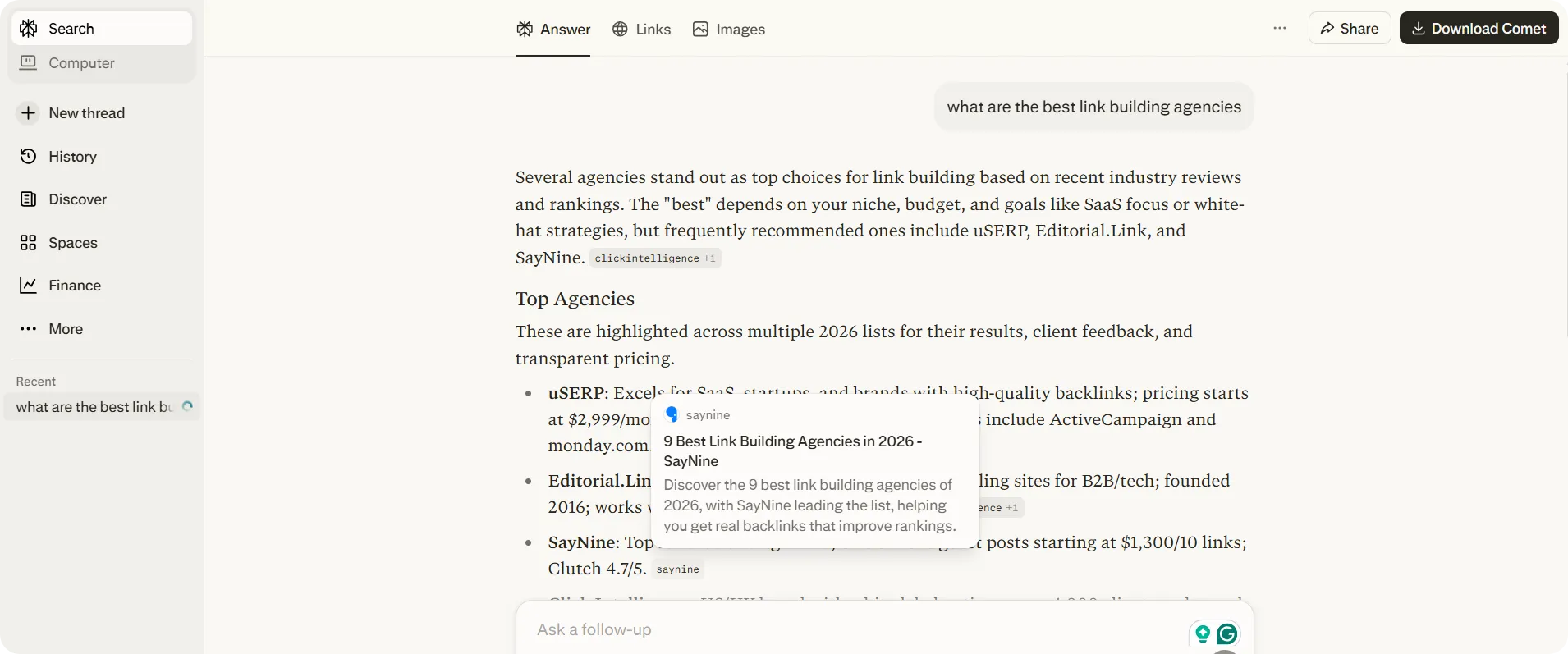
Why did we show up here? Let me explain.
- We have mentions from different sources (e.g. blogs, reviews, and social media)
- The more places your brand appears, the higher the chances AI tools notice and reference it
- Linked or unlinked, each mention adds credibility and signals relevance to search engines and AI
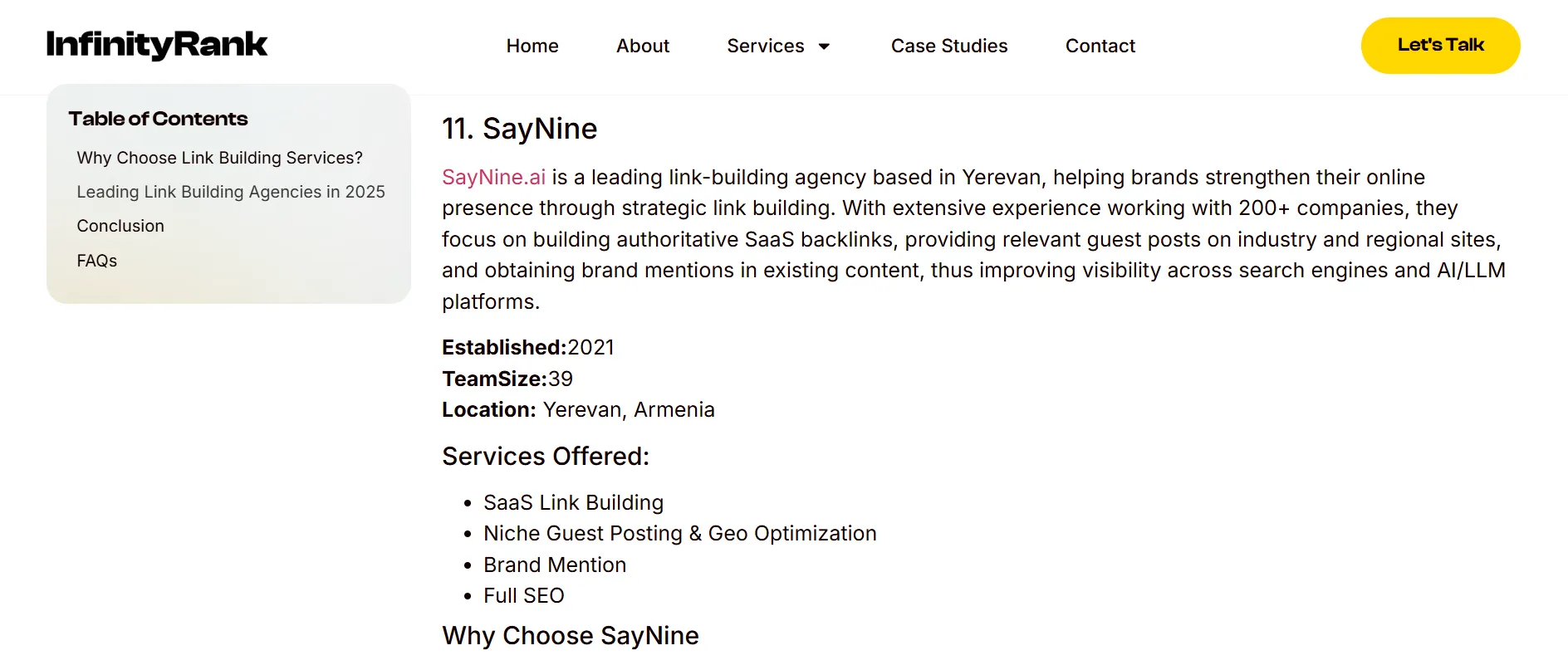
So if you want to appear in LLMs, get mentioned on different channels. The wider your presence, the more AI visibility you’ll gain over time.
Get Included in Listicles
Another effective way to show up in AI-generated answers is to get included in listicles.
Ahrefs’ research showed that “best X” lists were the most popular page type in ChatGPT sources, including those where recommended brands ranked themselves in first place.
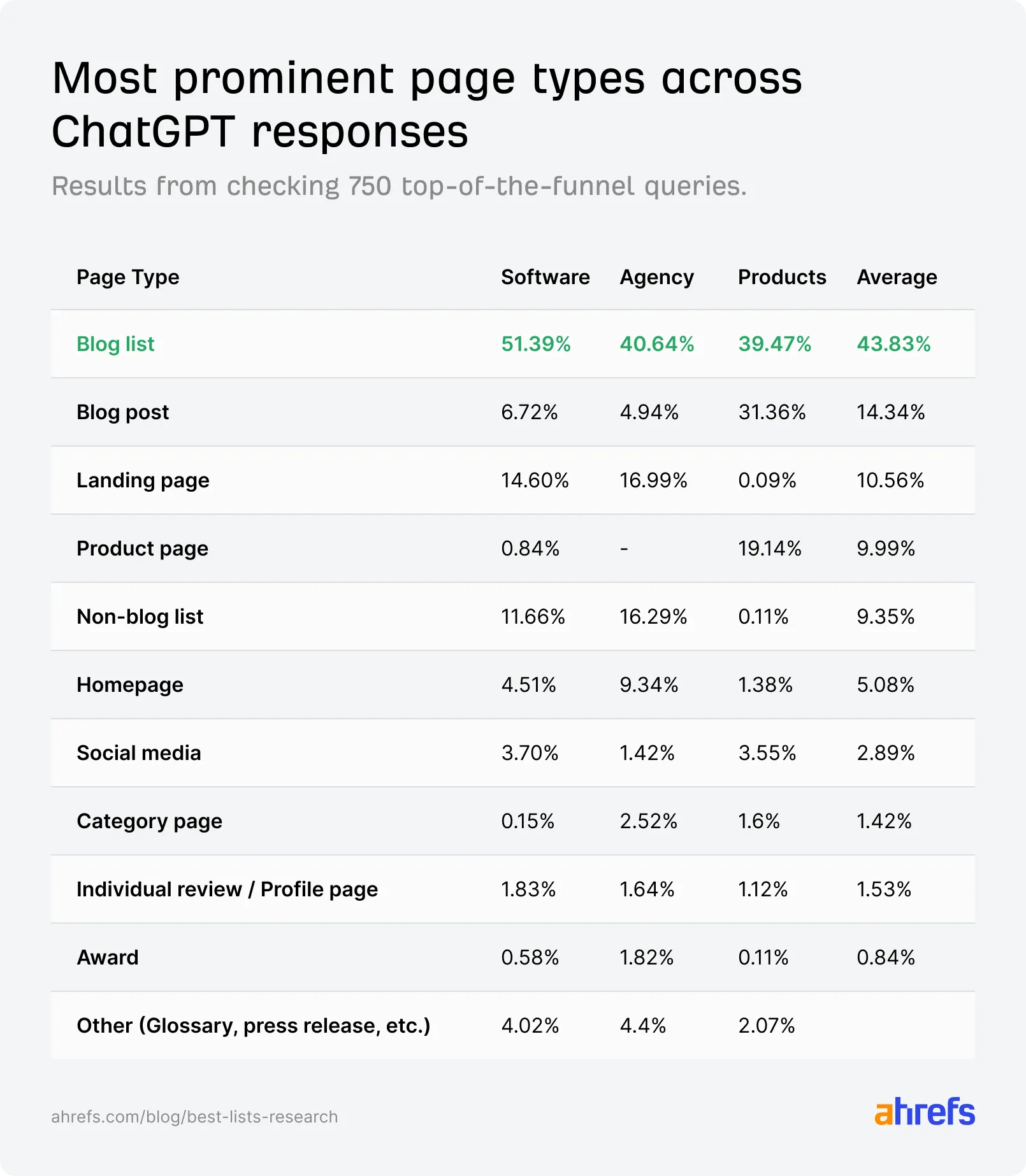
So, there’s no doubt that listicles work. And if you’re a business offering specific services/products/solutions, then you definitely need self-promotional lists. The higher your position is, the more likely you are to show up in AI answers.
The best part is that listicles work for any industry: SaaS, e-commerce, healthcare, igaming, you name it.
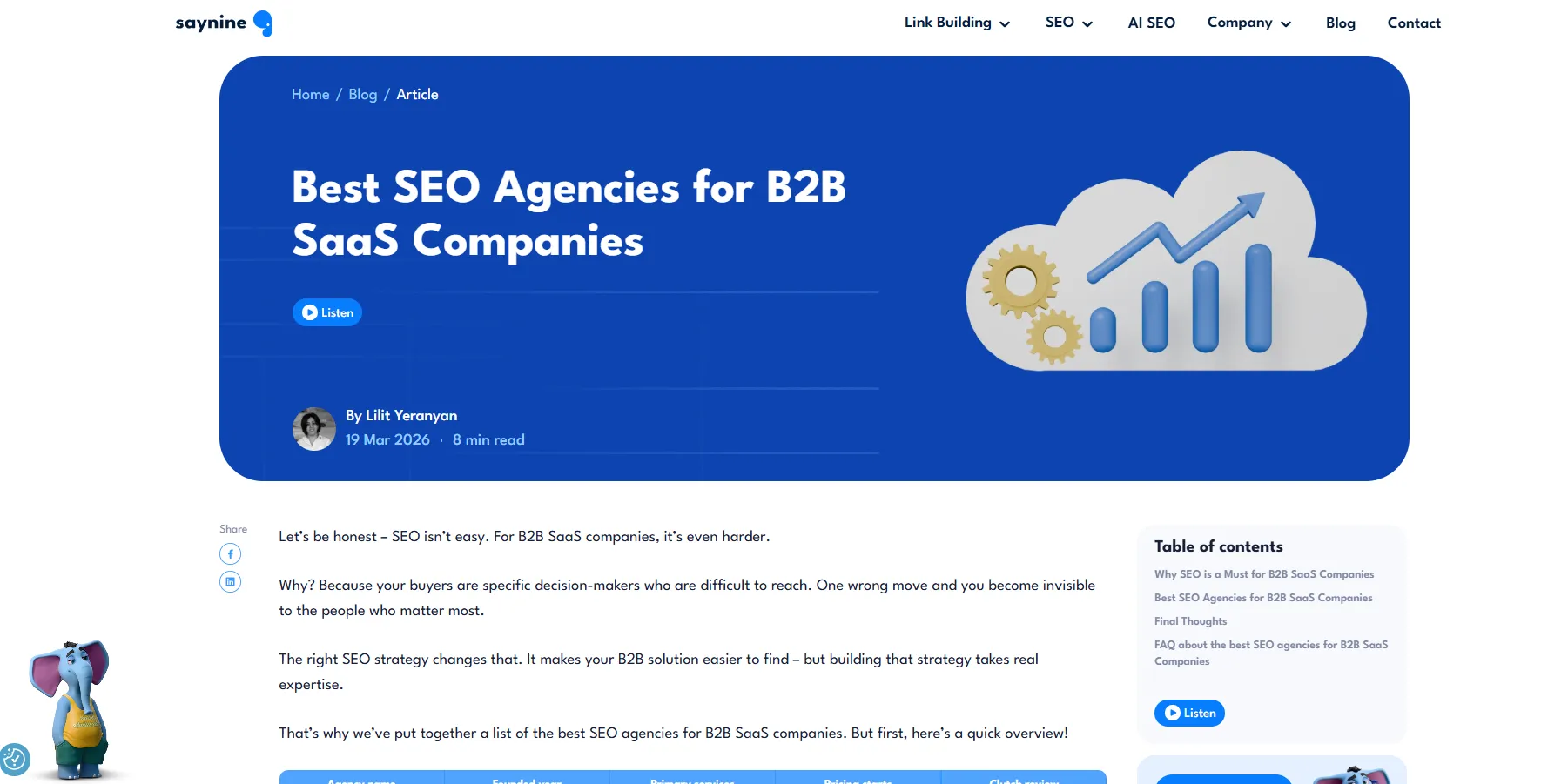
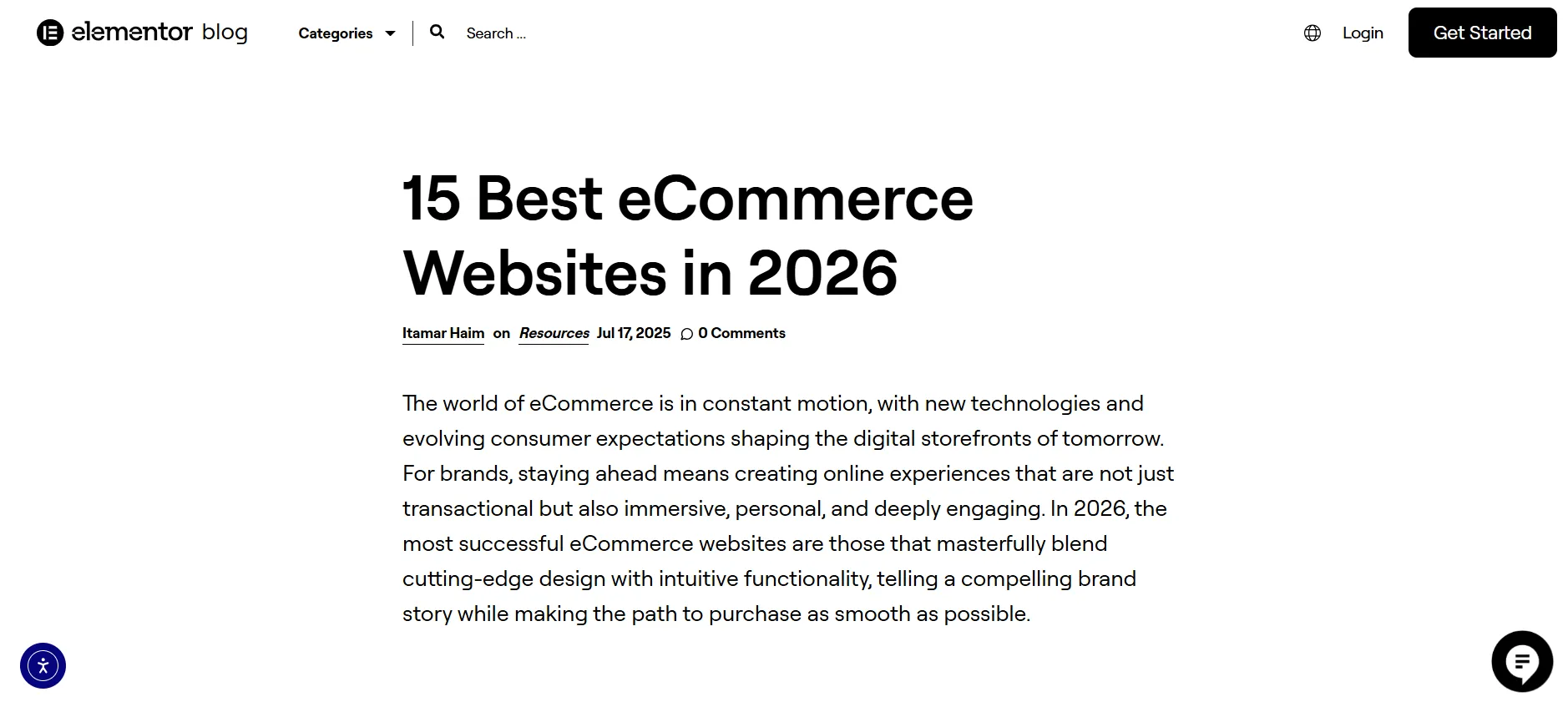
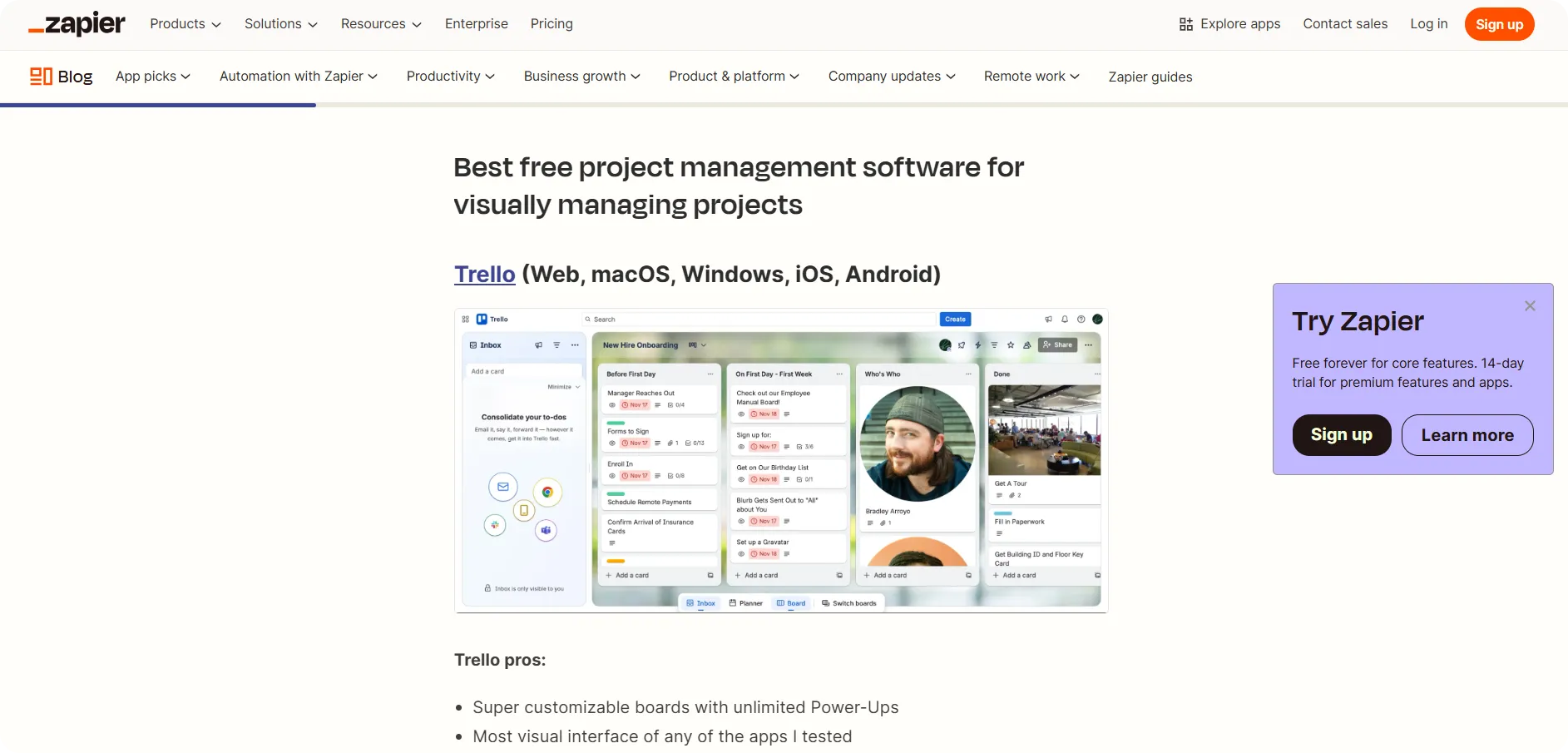
If you wonder how to get started, we have a simple guide on how to write listicles. Check it out! You’ll find easy steps and tips to write a listicle that gets noticed by LLMs.
Or, you could leave that to an AI search optimization agency like SayNine. We specialize in listicle writing and creating content that’s built to rank in AI search. From structure to strategy and backlink placement, we handle everything so you can focus on running your business.
Improve Technical SEO
No AI search optimization is complete without basic technical SEO in place.
This foundation helps search engines and AI tools understand your content, making it easier for your brand to show up in relevant answers.
Here’s what to pay attention to:
- Content crawlability and indexability
- Fast page load speed
- Mobile-friendly, responsive design
- Clear site hierarchy and navigation
- Proper use of headings (H1, H2, H3…)
- Optimized title tags and meta descriptions
- Structured data/schema markup
- Secure HTTPS connection
- Clean URLs and proper redirects
- XML sitemap and robots.txt properly configured
This checklist ensures your site is healthy, improving both user experience and AI visibility.
Track & Monitor Brand Visibility Across AI Search
And finally, how do you know if your efforts pay off or not? Yes, tracking is the answer.
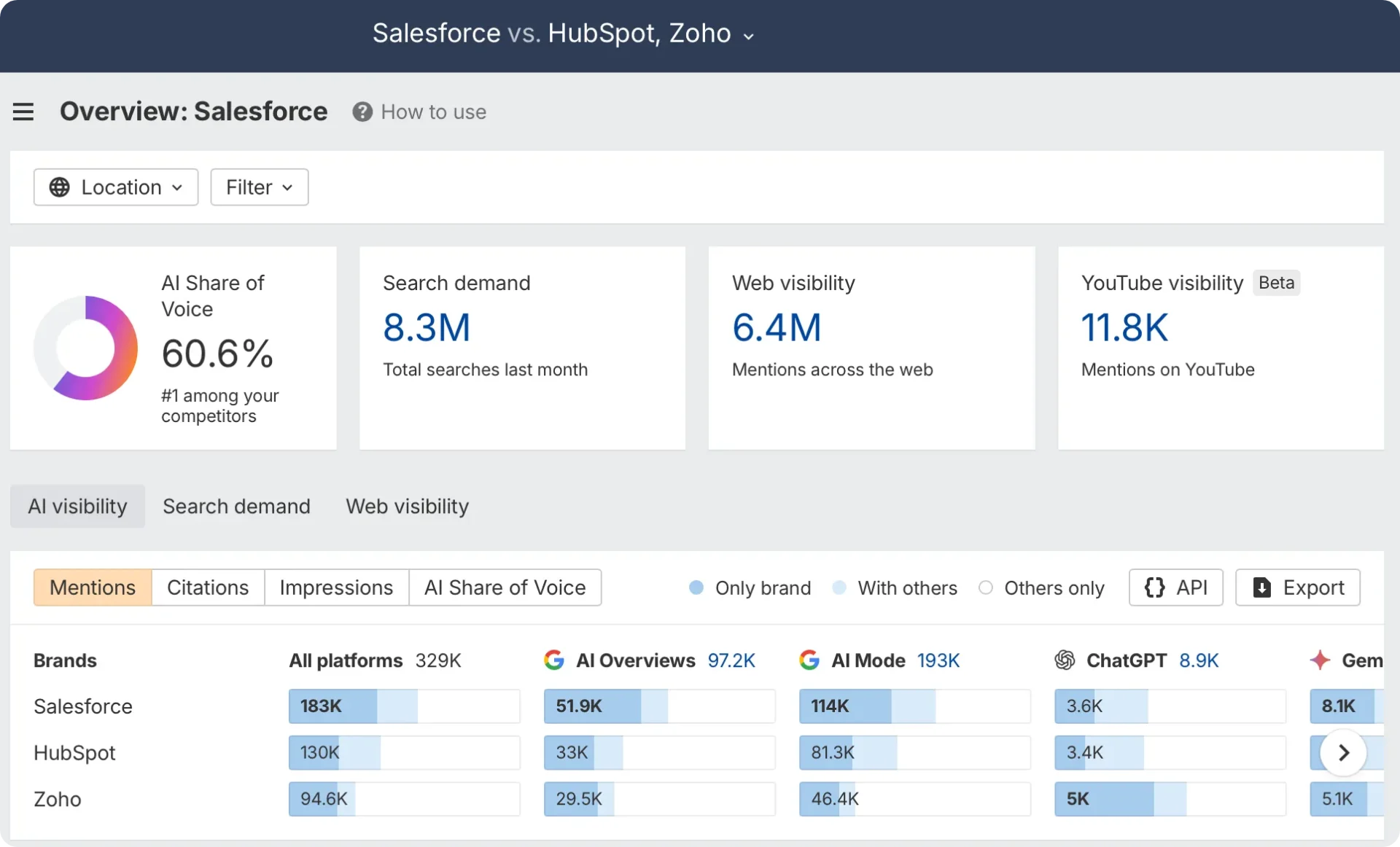
You should consistently monitor your presence in AI search using tools like Ahrefs. Its Brand Radar allows you to track the sources behind your AI visibility.
Here’s an example of brand visibility analysis of Salesforce compared to its competitors, HubSpot and Zoho.
It shows metrics like AI visibility (mentions, citations, impressions, and AI share of voice), search demand, web visibility, and YouTube visibility.
Running this audit once a month or every few months, you can understand:
- Whether your brand is appearing more often in AI-generated answers
- Which sources are driving your visibility
- How you compare to competitors in your industry
- What content or mentions are actually making an impact
If you’re not tracking, you’re guessing. Monitoring your AI visibility helps you understand if your AI search visibility optimization efforts are working and fix what doesn’t.
Wrapping Up
Getting visible in AI search takes the right strategy, the right content, and consistent effort. But when it works, your brand becomes the answer people get, not just another link they scroll past.
The brands starting now are the ones that’ll be hardest to compete with a year from now.
Ready to make that happen? Agencies specializing in AI search optimization, like SayNine, can help. Contact us and let’s build your AI search presence today!
FAQ about AI search optimization
How is AI replacing SEO?
AI is not replacing SEO but reshaping how people search and brands get discovered.
Is ChatGPT good for SEO?
Yes, ChatGPT is good for SEO. When used correctly, it can be a helpful tool to automate or simplify some SEO tasks.
How does AI search optimization work?
AI search optimization is the process of making your content easy for AI tools to find, understand, and recommend. When someone asks ChatGPT or Perplexity a question, those tools scan the web for the most credible, well-structured sources to pull answers from.