


“Should I buy backlinks? Is it acceptable?
And is it a good fit for my company, and how do I do it the right way?”
These are the questions I get asked most often when people consider investing in link building.
So, I decided to share my thoughts and tips in this article to help you get relevant backlinks safely.
What Does It Mean to Buy Backlinks?
We should clarify what we mean by buying backlinks.
First, it means buying backlinks directly from websites that sell links.
Second, it means buying backlink packages, or basically outsourcing link building to an agency.
The first is a direct purchase. The second is paying for a process, not a placement.
Which one is acceptable, and which one do you need? Let’s find out.
Is it Safe to Buy Backlinks?
This isn’t a straightforward yes-or-no answer. Let’s start by discussing what Google thinks about buying backlinks. In short, Google doesn’t like any way of buying backlinks.
Google՛s policies define it as link spam and suggest avoiding such links unless they’re qualified with a rel=”nofollow” or rel=”sponsored” tag.
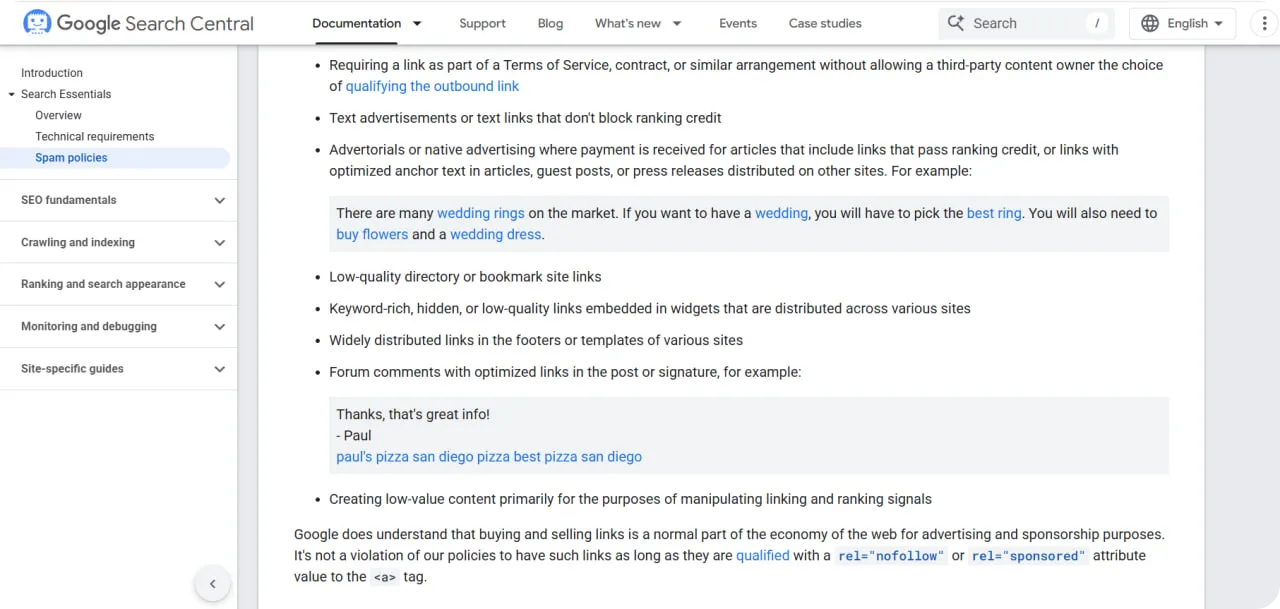
So the only way Google recommends getting backlinks is through great content, organically. But does this work in practice? Short answer: only for a few already popular companies.
So what do you do? Should you skip investing in link building while your competitor gets backlinks and wins all the rankings, while you’re waiting for your ranking to magically improve?
No, you should invest in link building. The question is how to do it right.
This is how my team at SayNine and I approach it:
“Prioritize getting backlinks from SaaS and agency websites. If this isn’t scalable or isn’t possible for your industry, work with niche-relevant websites.
So, you shouldn’t avoid buying backlinks. You just need to do it the right way.
This means if you’re a SaaS business or agency, try to stay away from link-selling websites and invest in SaaS backlinks. That’s how we get backlinks for our clients: from websites that don’t sell links.
You can have two choices here to get those types of backlinks: build an in-house link building team or outsource. Outsourcing to get backlinks will likely be the right and effective move for you, because agencies already have big established partnerships that help them regularly get you backlinks faster than doing it yourself.
In the second case, if you’re in a niche industry (like a pharmacy, construction site, or ecommerce store), you’ll need to work with niche-relevant websites.
Pay-Per-Link vs. Hourly Link Building
Link building services work basically in two ways.
- Pay-per-link or packages
You pay for each backlink or buy a set number of links at a fixed price. This works well when you need a few links or want to order links without a long-term commitment. Prices usually range from $100 to $1,000 per link, depending on the backlink type.
- Hourly billing
Some freelancers and agencies charge by the hour. You pay for the time they spend finding websites, contacting publishers, and negotiating placements. You don’t pay for a guaranteed number of links, so the results can be less predictable.
What Types of Backlinks Should You Build
There are a few common types of backlinks you can invest in, depending on what goal you are aiming to achieve.
- Link insertions
Link insertions add your backlink to existing content in a contextually relevant spot. You share the target pages, and the agency finds and places the links. This strategy is helpful if you want to increase your Google rankings.
- Listicles
Listicles are “Best,” “Top,” or “vs” articles that feature your brand alongside the alternatives buyers compare. They’re especially useful for AI visibility, since these are the pages AI tools often rely on when recommending products.
At SayNine, we write brand new listicles and publish them on niche-relevant sites. You stay in full control of the content: our writers suggest the titles, and once you approve them, they start writing. You can then review the drafts and request edits before anything goes live.
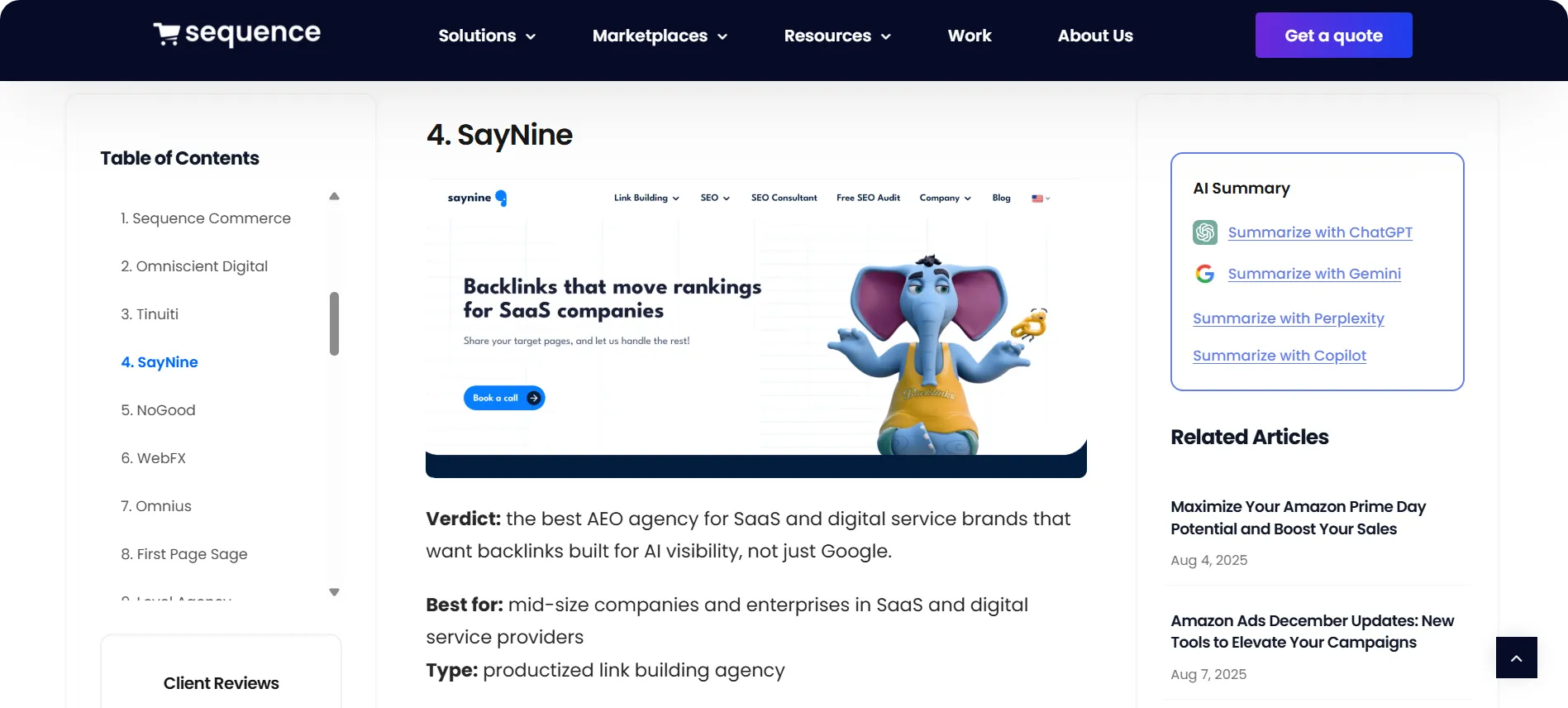
- Brand mentions
Brand mentions put your brand name in an existing article with a backlink to your homepage or product page. This tactic is beneficial both for Google rankings and AI visibility.
At SayNine, every backlink meets the same quality bar, whichever type you choose. We place links on websites with DR 50+ and 1K+ monthly organic traffic, and every link is dofollow, permanent, and unique. No link farms, and no general news or magazine sites. We also combine up to three strategies in our link building packages, because each one covers a different part of search, and together they grow your rankings and AI visibility at the same time.
What to Consider Before Investing in Link Building
Now we come to one of the most interesting parts: what to consider before investing.
Here are my short tips:
- Define a budget: Decide how much you are willing to spend before you start.
- Set clear goals: Know what you want to achieve with your backlinks.
- Choose the right backlink type: For more AI visibility, listicles and brand mentions are the best choice. For sites focused on improved Google rankings, link insertions are a better fit.
- Keep your goals and budget realistic: Don’t expect enterprise-level results with a starter budget.
What Makes a Link Building Agency Trustworthy
Okay, you’ve decided to get backlinks and work with a link building agency. What should you look for?
Here are the key things to consider when choosing which backlinks to avoid and which to get.
Red flags:
- 🚫 Bulk or suspiciously cheap offers: If someone promises 50+ links for a very low price, or sells a $10 backlink, be careful. Legitimate link building doesn’t come that cheap, and links at that price usually mean spammy websites or link farms, not real value.
- 🚫 Spammy sample backlinks: Look closely at the websites an agency shares as examples of its work. Some agencies may showcase backlinks from low-quality or spammy sites.
Green flags:
- ✅ Clear communication: A reliable agency answers your questions and responds to emails before you pay, not only after.
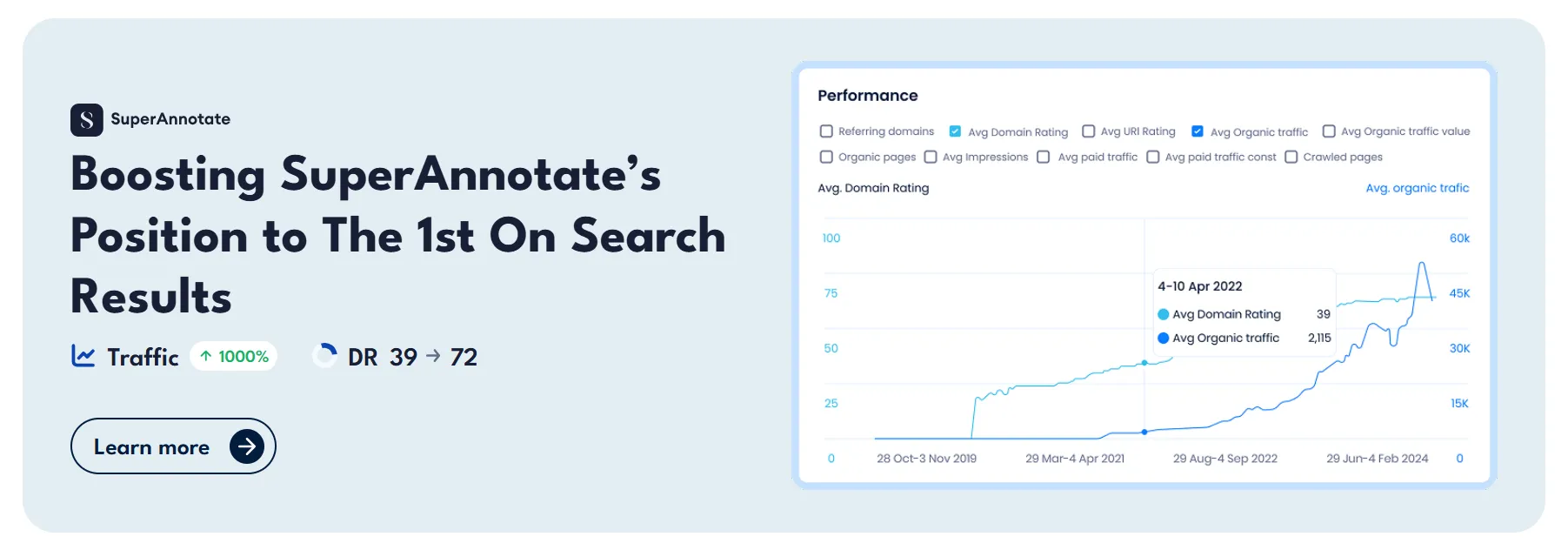
- ✅ Case studies and testimonials: A trustworthy provider should be able to show results from real clients, not just make claims.
How Much Do Backlinks Cost in 2026?
How much do backlinks really cost in 2026? Expect to pay $100 to $500 for a valuable backlink, though higher-DR placements can cost more. Anything under $100 is a red flag for link farms or scam sellers.
On the other hand, some backlinks cost even more simply because they drive affiliate traffic. This happens when you place your backlink in an article that already gets high traffic, so more people actually click through to your site.
You’re not paying for SEO value here. You’re paying for real visitors from a relevant site, even if it does nothing for your rankings.
Here’s Why You Should Outsource Link Building to SayNine
Are we different or better than other agencies? We won’t tell you to just take our word for it. Here’s what you actually get when you trust your link building to SayNine:
- We offer affordable packages: Our Starter Plan is $5,500 per month for 20 links, and custom packages are also available. You can choose the package and commitment length (monthly or yearly) that best fit your needs.
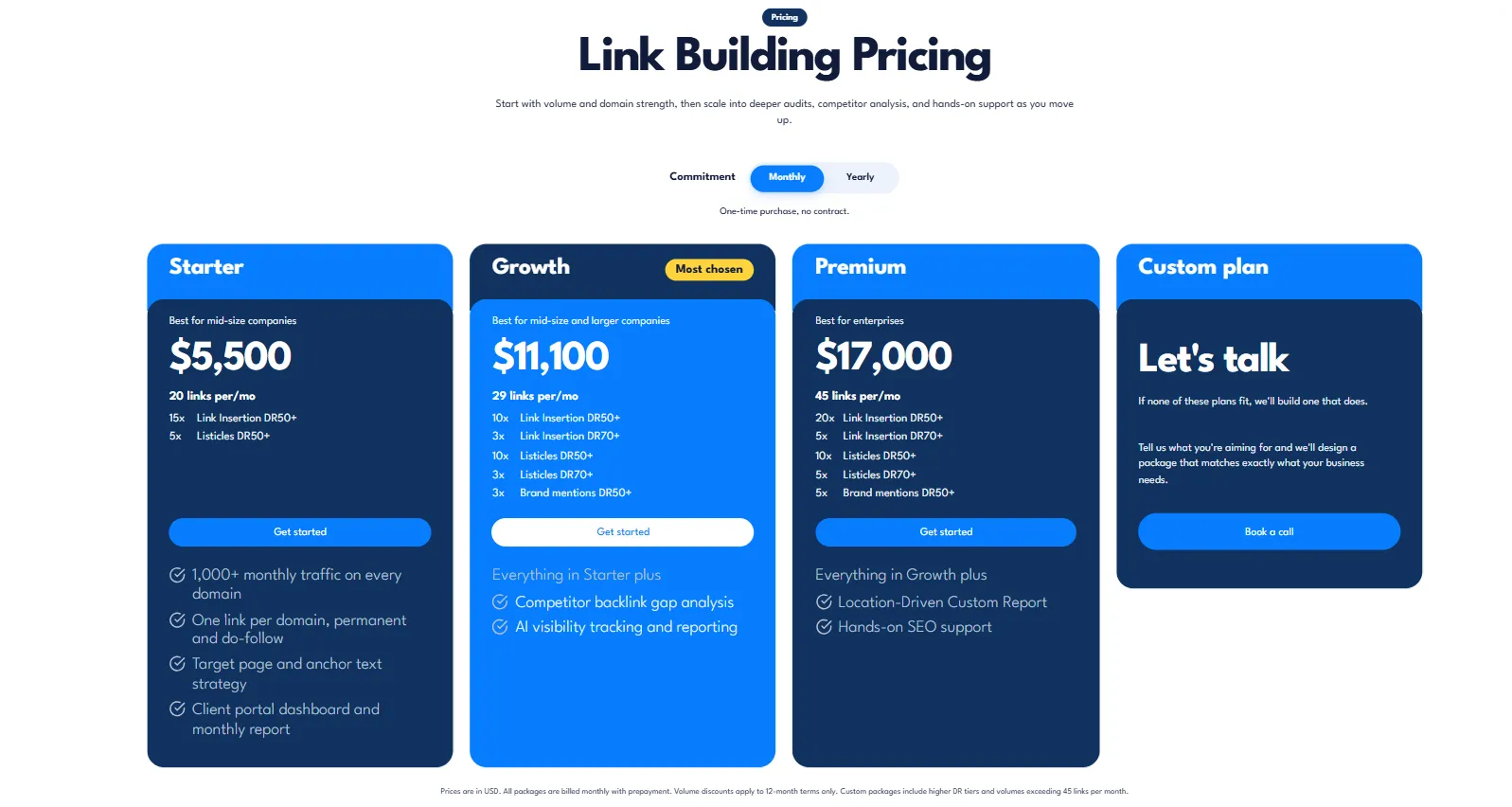
- Fixed metrics on every package: Every backlink comes with a DR50+ minimum, a 1,000+ traffic floor, one link per domain, and is dofollow and permanent.
- Target page planning and anchor text strategy
- SEO audit: Every package includes an audit so you know exactly where your site stands.
- A dedicated client success manager: Stay in constant communication with a client success manager and get answers to any questions you may have.
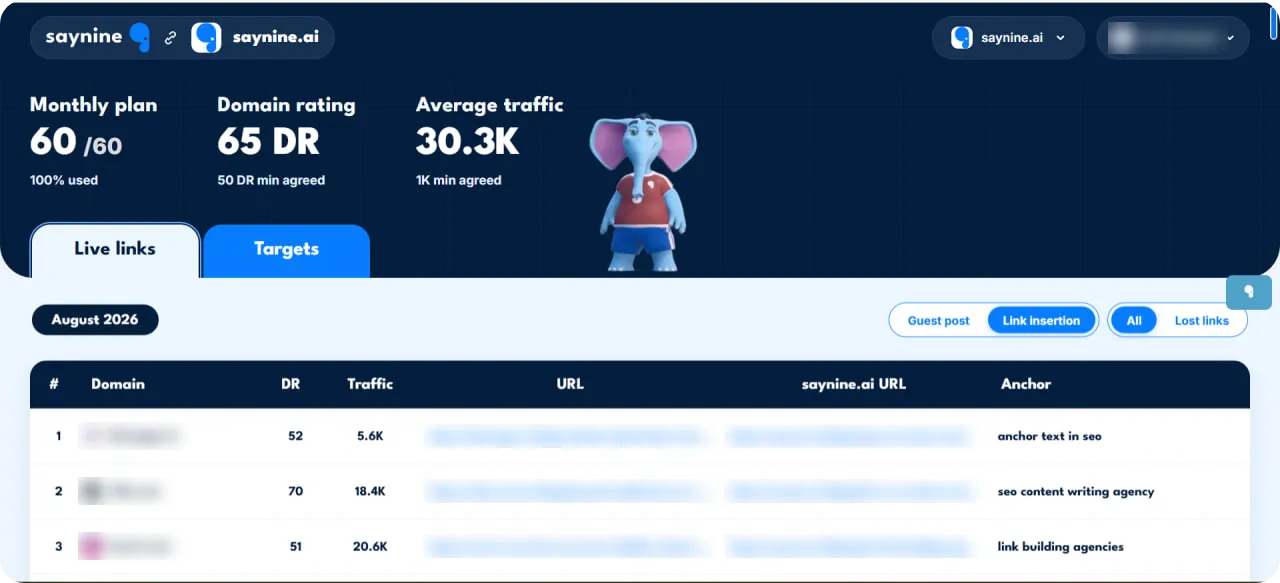
- Access to the client platform: A client platform lets you track your backlinks as they go live.
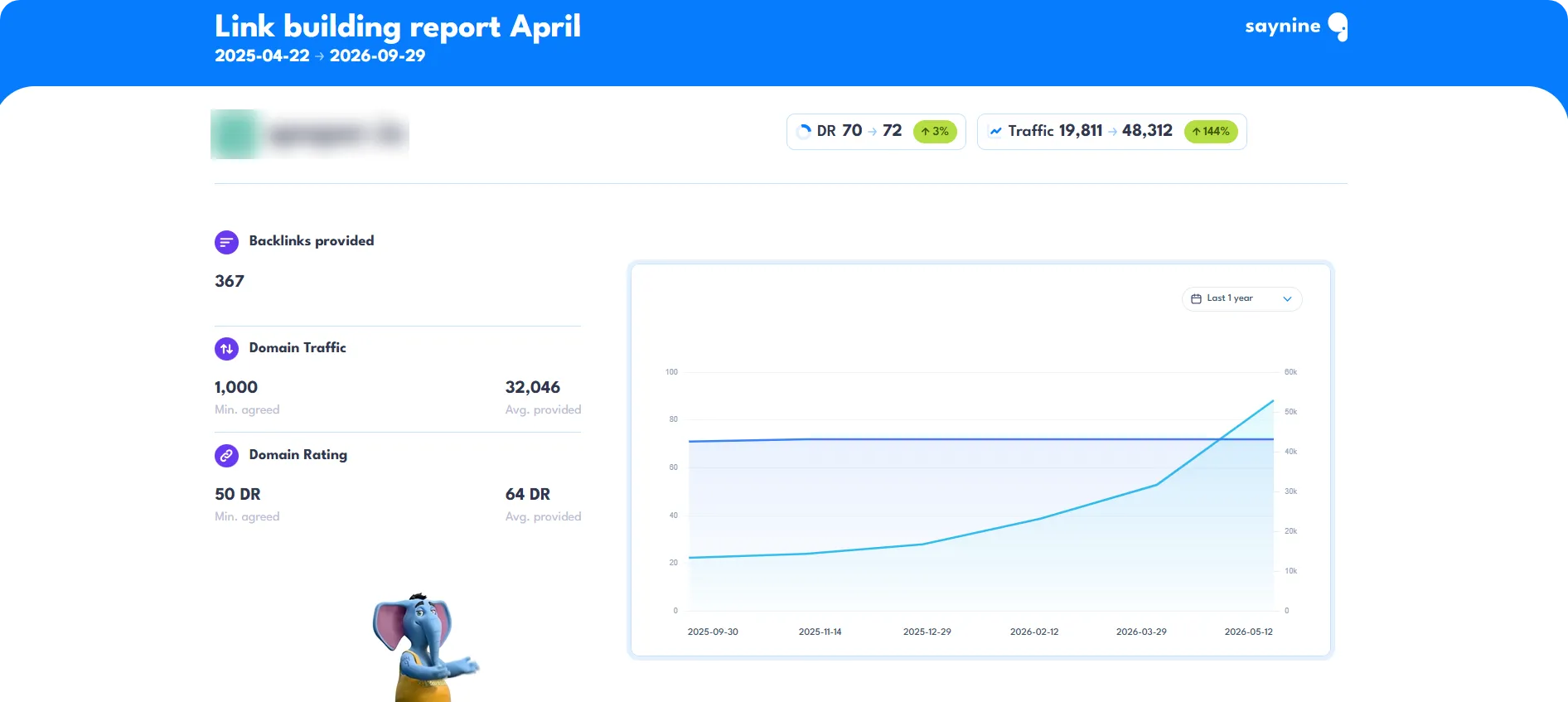
- Monthly SEO report: After each batch, you get a tailored SEO report showing progress in DR, traffic, rankings, and AI visibility.
- Highly focused SaaS positioning: Our focus is link building for SaaS websites and digital service provider companies, where we deliver the best results.
- Simple invoicing
- Communication on your preferred platform (Email, Slack, LinkedIn, WhatsApp, and Telegram)
- 12-month free backlink replacement
- A call with me: Free consulting is included with every package, no extra charge, so we can discuss any issues your website has and build an SEO strategy together.
To Wrap Up
Should you buy backlinks? It depends on what you mean. Getting them straight from sites that sell links is risky; those are often spammy links Google doesn’t like and often penalizes for. Outsourcing to an agency is safer; you’re paying for a process and valuable links.
This is where we stand, and we’ve covered how to do it the right way.
Still curious about anything? Get in touch; I’m glad to answer.