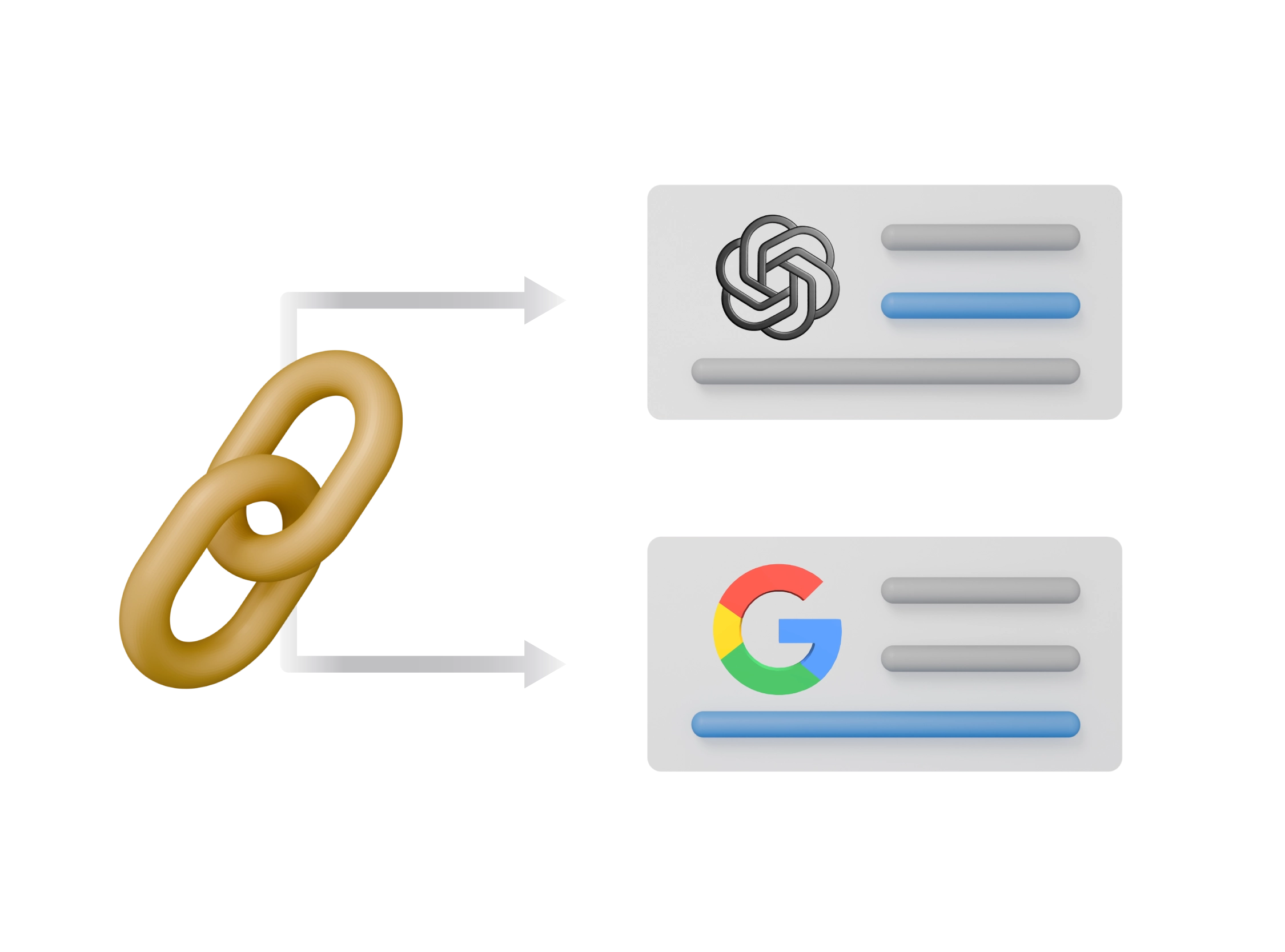

What if your page ranks well on Google, but AI tools name your competitors instead of you?
When someone asks an AI tool which product to choose, the answer can be a short list of brands. That answer shows up in the chat, so the person may never visit a website. If your brand isn’t on that list, you miss out.
Are backlinks still important? Yes, but they don’t all do the same job. Different links help in different ways, and together they can help your brand show up on Google and in AI answers.
In this article, we’ll explain why backlinks still matter, why Google rankings alone may not be enough, and which links can help you show up in both places.
Why Are Backlinks Still Important?
Search engines find websites through crawlers. A crawler visits one page, follows its links, and finds the next one. Google’s SEO Starter Guide says, “the vast majority of the new pages Google finds every day are through links.”
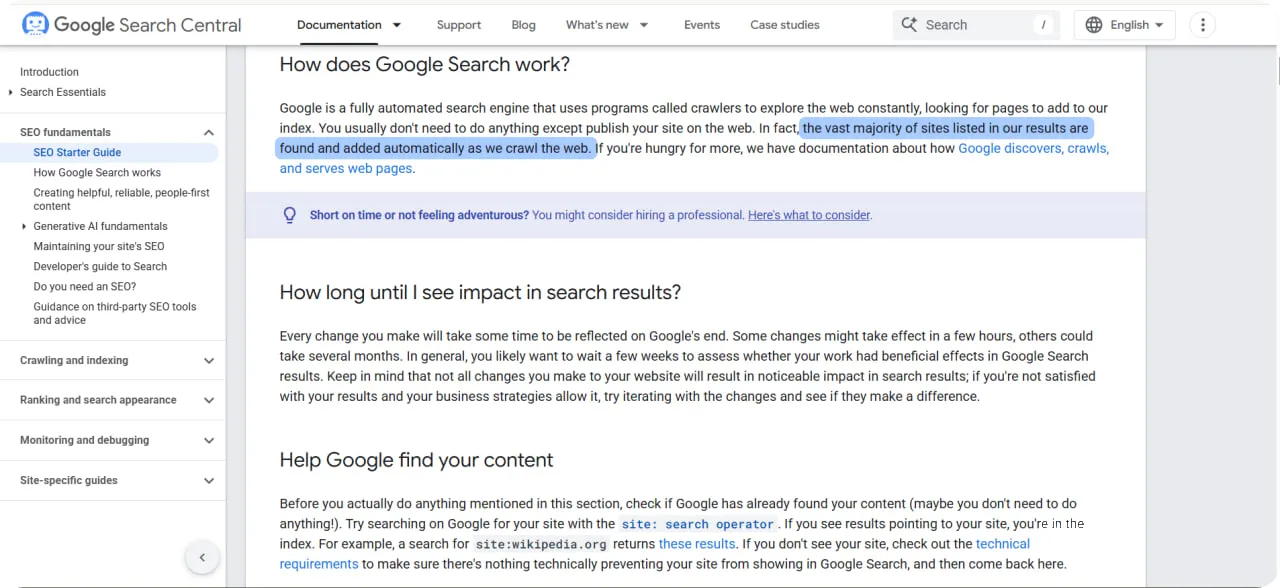
Google also uses links as a signal when deciding how relevant a page is.
AI tools depend on this too, since many of them use search results to collect information for their answers. A Semrush study found that around 86% of the domains cited in Google’s AI Overviews also rank in Google’s top 10 for the same search.
So backlinks are one of the main ways crawlers find you, and link building still matters. The question is which types of backlinks still help.
About a decade ago, forum links were a common way to rank. Today, they carry less weight. What matters now is getting relevant links from legitimate websites: sites in your niche, with real traffic, where your link fits naturally into the content.
Are Google Rankings Still Important?
Google rankings still matter, but they don’t bring the same results they used to. With zero-click searches and AI Overviews, searchers often get their answer without clicking a link.
An Ahrefs study found that when an AI Overview appears, the top-ranking page gets about 58% fewer clicks. In other words, for every 100 clicks that page used to get, it now gets about 42. We’ve seen search traffic drop too, even though it’s still there.
That’s why you need visibility in search results, not just rankings, so your pages can also appear in AI Overview answers.
Why Aren’t Google Rankings Enough?
Ranking on Google still matters, but it may not be enough to get your brand in front of buyers. People search differently now, and AI tools are part of how they find answers.
Say you want to find a restaurant with a specific menu. Before, you’d search on Google and click through link after link until you found the right one.
Now, you can open an AI tool and type something like “a vegan restaurant near me with gluten-free desserts.” Prompts like this can be more detailed than typical search queries, and the visitors they bring can be valuable.
A Semrush study found that the average AI search visitor is worth 4.4 times more than an organic search visitor, based on conversion rate. That may be because people have already compared their options in the AI answer before they click.
Google still handles more than 5 trillion searches a year, though, and people don’t pick just one.
Another Semrush survey found that 77% of US consumers who’ve tried AI tools use them together with search engines, and only 4% rely mostly on AI.
Since Google and AI tools work differently, your strategy needs to cover both.
Do Backlinks Help With AI Visibility?
They can, but it’s hard to measure the exact ROI of link building, and a lot of results are estimates. What we do know is that relevant backlinks from legitimate websites help.
The difference now is where those links appear. Ranking on Google is one part of it, but to get your brand named in the answer itself, you also need to show up on third-party sites that AI tools use as sources.
Which Link Types Help With Google and AI Answers?
1. Link Insertions Help Your Pages Rank
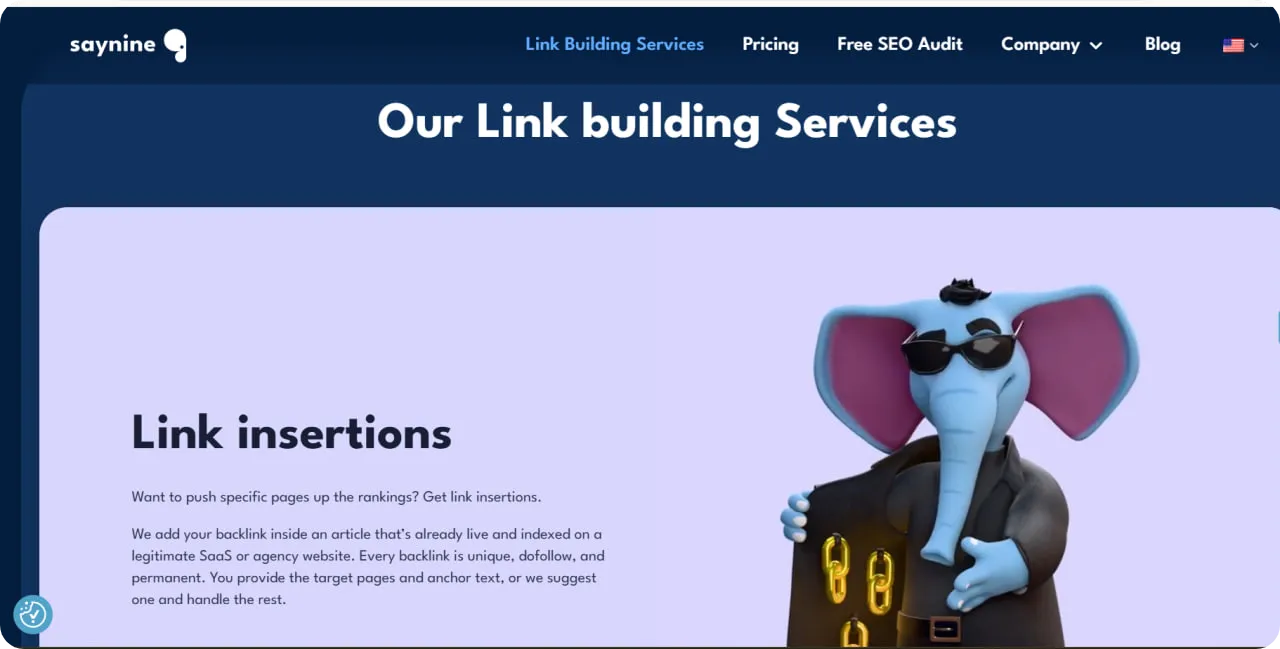
Link insertions add your link to existing articles on relevant sites, and they help your pages rank on Google. That matters for AI too, since AI tools may cite pages that already rank well.
But link insertions alone may not be enough to get your brand named in AI answers. For that, your brand needs to show up on other sites, too.
2. Listicles Articles Help You Get Into AI Answers
When people ask AI tools for the best tools, services, or alternatives, the answers often cite listicles and comparison articles. So if your brand appears on those pages, you have a better chance of being part of the answer. Guest posts on relevant sites can help similarly.
You don’t always need a brand-new article, either. Some websites already publish listicles and comparison articles in your niche, and some of them already rank on Google or show up in AI answers.
Through outreach, you can ask these sites to include you. It can be a faster way to get your brand onto pages that people and AI tools already read.
3. Brand Mentions Can Help AI Tools Recognize Your Brand
Brand mentions are times your brand is named on other websites, with or without a link.
An Ahrefs study of 75,000 brands found that brand web mentions had the strongest correlation with showing up in AI Overviews. So when relevant sites in your niche mention you, that can improve your chances of showing up in AI answers.
How SayNine Combines Link Types for Google and AI Answers
Each link type does a different job, and each one can help in more than one place. Link insertions help specific pages rank on Google, and that ranking can also help with AI visibility, since AI tools may cite pages that already rank well.
Brand mentions get your brand named in existing articles on relevant sites, with a link to your homepage or product page, which can help with both Google rankings and AI answers.
Listicles are new “best,” “top,” or “vs” articles that put you on the pages people read when they compare options. Since listicles include backlinks too, they can support your Google rankings as well as help you get into AI answers.
Used together, the three give Google and AI tools more places to find your pages and your brand. That’s why SayNine’s link building services combine all three.
Our Telnyx case study shows two of them working together. Telnyx already had a strong website, but most of its target keywords showed up in AI answers that cited other companies.
In one month, we built 80 backlinks, mostly to informative pages and competitor comparison pages, and got Telnyx featured in listicles like “Top AI Voice Agents.” The Telnyx team handled content and technical SEO on their side. Over that month:
- AI citations grew by 18%.
- Organic traffic grew by 36%, from 69,819 to 95,087.
- “AI voice technology” moved from position 3 to 1.
Backlinks helped Telnyx’s pages rank, while listicles helped get it named on the pages AI tools cite.
Wrapping Up
Backlinks still matter, but the page that ranks on Google isn’t always the brand AI tools name. To show up in both places, think about where your links appear, not just how many you have.
A link on a page that already ranks can bring visitors from Google. A mention on a site that AI tools already use as a source can improve your chances of showing up in AI answers. When your links and mentions come from different relevant places, both Google and AI tools have more reasons to find you.
If you’re not sure which mix fits your site, contact us, and we’ll plan one around your goals.
FAQ about combining link types for SEO and AI
Will SEO exist in 5 years?
Yes, though it will keep changing. Google says “the best practices for SEO remain relevant for AI features in Google Search”. With more people using AI search, SEO will likely need to cover both Google results and AI answers.
How to get strong backlinks?
Focus on relevant sites in your niche with real traffic, where your link fits the content naturally. Pitch your best content, since pages that already earn links are more likely to earn more. You can also reach out to sites that publish listicles in your niche and ask to be included.
What are the different types of links?
Common link building types include link insertions, brand mentions, guest posts, and listicles.
What type of links are best for SEO?
Relevant links from legitimate websites in your niche can help most, especially when they fit naturally into the content. Google also recommends anchor text that is “descriptive, reasonably concise, and relevant” to both pages.